
Onero® Testing
Bones For Life Members are invited to book their place in our next Onero® Testing phase running 18-27 August 2026.
These testing classes facilitate the opportunity to ensure you are achieving maximal load in every Onero® class.
About Our Onero® Testing
When doing the Onero® program, it is vital to understand that your bones build best when subjected to maximum load against “ground reaction force” or vibration/impact.
To achieve the optimal bone building effects based on evidence, your skeleton and muscles need to be subjected to enough load so that your bone matrix gets the “message” to build.
So, what is “enough load”?
To prevent bone loss of build new bone, we meed mechanical strain (load) that exceeds the level of everyday activity. Bones will remodel in response to stress placed on them. Bones will become weaker over time if we don’t place enough stress on them (osteoclasts). Bones will become stronger over time if we place enough stress on them (osteoblasts).
Your bones are always listening:
Light loads tells them “We can lose bone density.”
Moderate loads says “Slow the loss.”
Heavy loads (jumping, high-impact, heavy-resistance lifting) shouts “Build more bone!!”
Research shows that the skeleton responds when loads exceed 3-4 times your body weight (BW). That doesn’t mean you need to exercise at loads 3-4 times your bodyweight. We are talking about ground reaction forces (GRF). That’s the amount of load your skeleton is exposed to with various activities.
These are the GRF, strains, or loads that some activities produce on our skeleton:
Walking: 1.2 x BW
Jogging: 2-2.5 x BW
Jumping: 4-6 x BW = above threshold
High load resistance training (70-85% 1RM): 4-8 x BW = above threshold
5RM - 80-85% of 1RM = above threshold
Onero® Testing is only available at our Erina Studio.
You can download our temporary Onero® Testing Timetable from the button below.
Your Questions Answered
-
Impact sessions per week: 40-50 high strain jumps/session
Number of session: 2-3 sessions per week = 100-150 impacts/week
Plateau effect: More than 50-60 impacts in one sessions doesn’t add further benefit and can increase risk of stress fracture.
-
Number of session: 2-3 sessions per week of multi joint, high-load lifts (squat, deadlift, overhead press) at 70-85% of your maximum capacity (1RM)
-
Warm up
10RM lift at 80% of current load for the specific lift.
5RM lift, followed by 3-minute rest period.
Increase loads between 2.5kg-5kg each 5RM lift.
Feedback on potential loads you could be lifting = 70-85% of 1RM
Feedback on expected timeframe to get to those loads. It is recommended by Onero that you increase one lift ONLY during any one session, and by no more than 1.5kg per session.
Any techniques identified that may be holding you back from increasing load.
-
Squat - The squat session will require a minimum ability to back squat with the 10kg barbell on the shoulders.
Deadlift - The deadlift will require a minimum ability to use a 10kg barbell from the floor or risers.
Class - You have progressed from the Technique class into either the Functional Class or the Standard Class
-
To ensure safety whilst testing, please be aware of the following:
Adherence to correct lifting technique always.
Supervision by coach during the sessions and final decision on increasing load after each 5RM set by coach.
Possibility of DOMS - “delayed onset muscle soreness”.
Reporting any pain or joint pain to your coach during or following your testing session.
-
What is DOMS - “delayed onset muscle soreness?”
DOMS symptoms typically start 12-36 hours after a workout. The pain tends to peak about one to three days after your workout, and then usually eases up after that. Not everyone will experience it but it is something to be aware of and not scared of. It can feel painful and similar to the aches your muscles experience with the flu. It is typically in the muscle (thighs, calves, buttocks) and not in a joint such as your knees or hips.
Symptoms of DOMS may include:
pain when stretching muscles, leading them to become contracted and tight
muscles that feel tender to the touch
reduced range of motion due to pain and stiffness when moving
swelling in the affected muscles
muscle fatigue
short-term loss of muscle strength
-
What to do if you experience DOMS? - Keep moving to ease sore, stiff muscles
You might be tempted to rest and avoid all exercise and movement when DOMS strikes, but unless it’s severe, hitting the couch for the day may only worsen pain and stiffness, not ease it.
Listen to your body. If your DOMS is bad, you may need a day, or sometimes multiple days, of complete rest to give your muscles a chance to repair.
At a minimum, you’ll want to skip high intensity cardio or power lifting sessions when sore. That may only worsen and delay your recovery from DOMS.
Think about trying some gentle movement throughout the day. It won’t speed your recovery, but it might lessen the soreness. Stretching is beneficial to your recovery. To keep your muscles moving, try low- to moderate-intensity walking, cycling, or swimming.
DOMS is not an injury!
In everything we do, we ensure it is backed by evidence and provides a patient-centre approach to better health outcomes.
The effectiveness of 5 Repetition Maximum testing is well documented and we have shared one of the limited studies as published in 2014 on the reliability of this method.
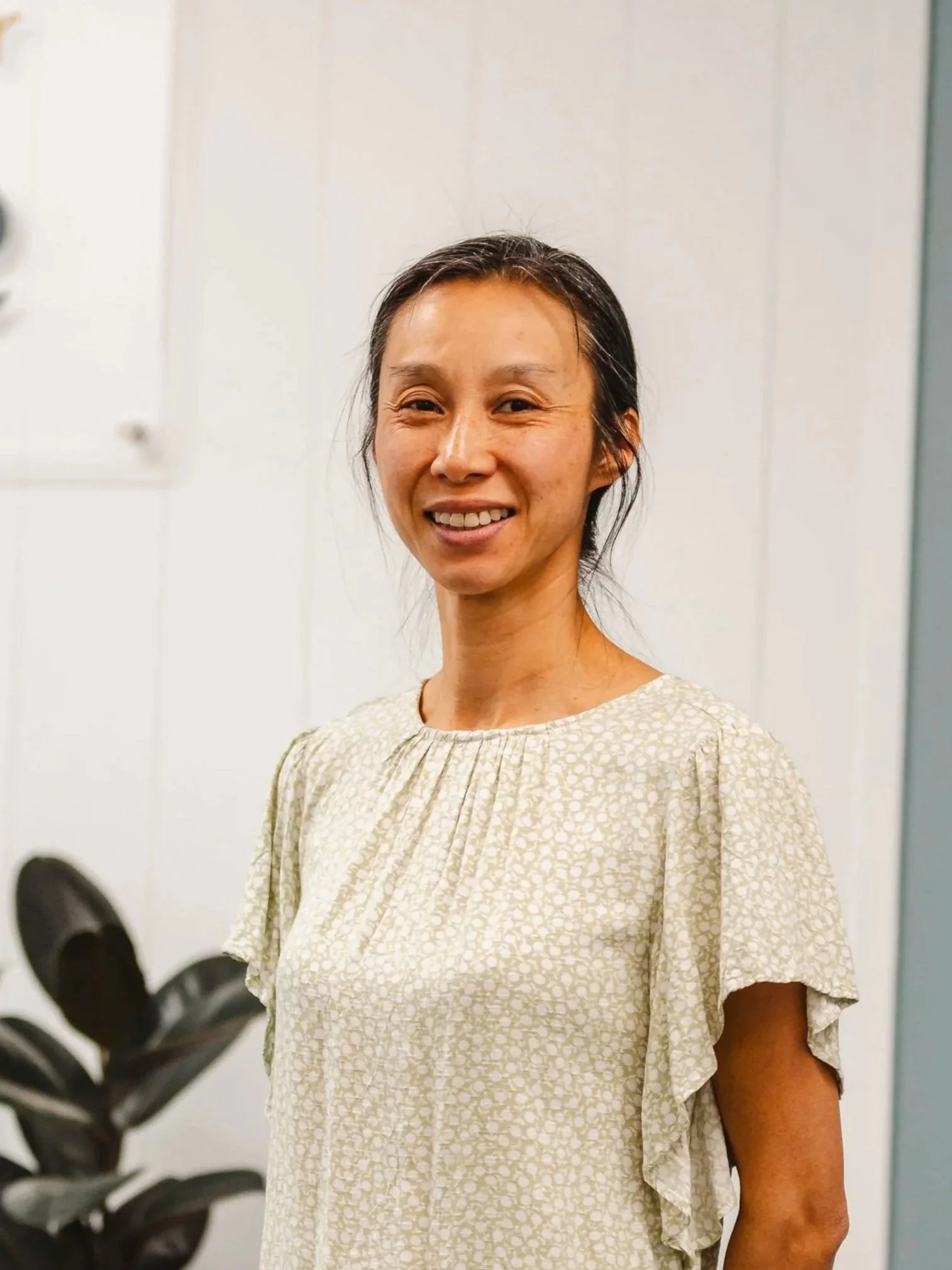
Dr Clara Chu
GP, Certified Onero® Graduate